~117 “Siblings & Neurodiversity: How to Keep Your Neurotypical Teen Feeling Seen" Criss Madrigal
Parenting Teens: Advice Redefined for Today's Complex World
| Cheryl Pankhurst | Rating 0 (0) (0) |
| https://podopshost.com/podcast/2138/dashboard | Launched: Aug 20, 2025 |
| support@cherylpankhurst.com | Season: 1 Episode: 117 |
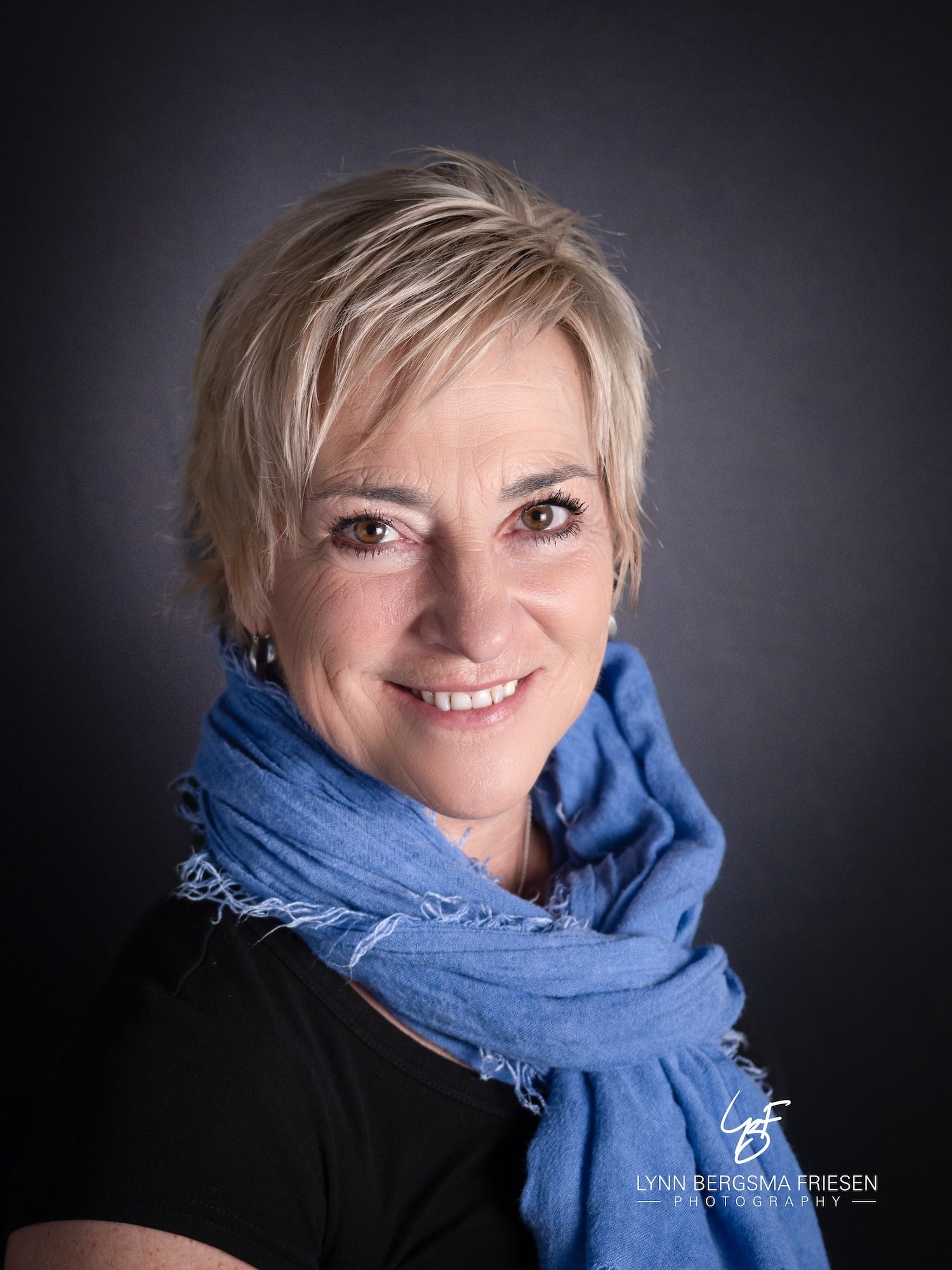
Criss Madrigal – Sacred Alignment Coach, mother of three (identical twins with 22q‑deletion syndrome and a 16‑year‑old son). After years of corporate hustle and “surviving” motherhood, Criss re‑engineered her mindset, reclaimed her identity, and now helps women (especially moms of teens) align with their true selves, release guilt, and become the powerful advocates their children need.
www.crissmadrigal.com. Facebook - https://www.facebook.com/criss.madrigal.7 Instagram - https://www.instagram.com/crissmadrigal LinkedIn: https://www.linkedin.com/in/criss-madrigal
- https://www.crissmadrigal.com/alignment-audit https://www.facebook.com/groups/soulalignednetwork.
🧠 Key Takeaways (quick‑hit bullets)
- Self‑care isn’t selfish—it’s the foundation for showing up for the whole family.
- Re‑programming limiting beliefs creates a “calm‑down” ripple that lowers household stress.
- Parenting by your own values gives you clarity, confidence, and reduces endless debate.
- Mom guilt can be transformed into grace by acknowledging the story you tell yourself and consciously choosing a new one.
- Consistent communication with your partner and deliberate “one‑on‑one dates” with each child prevent role burnout.
- Ask for help early; the longer you wait, the higher the breaking point.
- A simple, honest conversation with a teen can release years of hidden hurt and open the door to deeper connection.
-
Connect with Cheryl!
The Good Divorce Show Episode https://open.spotify.com/episode/2hIILoayZV2oQu5zEzJdcP?si=wl8O0S9YSCCwkUSJQAYcrQ
Let’s Chat https://tidycal.com/cherylpankhurst/consultation-chat
DIRECT LINK TO COACHING WITH CHERYL
email : support@cherylpankhurst.com
SOCIALS:
linkedin.com/in/l. R.cheryl-ann-pankhurst-1b611855
https://www.instagram.com/cheryl.a.pankhurst/ https://www.facebook.com/cheryl.a.pankhurst
PODCAST- “PARENTING TEENS ADVICE REDEFINED FOR TODAY’S WORLD
https://open.spotify.com/show/4QwFMJMDDSEXJb451pCHO9?si=9c1a298387c84e13
https://youtube.com/playlist?list=PLYv9FQy1X43wwoYg0zF8zAJw6-nCpHMAk&si=7p-e4UlU2rsG3j_t
Optin-podcast subscriber
https://www.cherylpankhurst.com/teen-minds-redefined-podcast
Join our Podcast Private Facebook Group!
https://www.facebook.com/groups/httpswww.facebook.comgroups1258426648646523
Get a taster of what’s it like to work with me!
SUBSCRIBE

Episode Chapters
Criss Madrigal – Sacred Alignment Coach, mother of three (identical twins with 22q‑deletion syndrome and a 16‑year‑old son). After years of corporate hustle and “surviving” motherhood, Criss re‑engineered her mindset, reclaimed her identity, and now helps women (especially moms of teens) align with their true selves, release guilt, and become the powerful advocates their children need.
www.crissmadrigal.com. Facebook - https://www.facebook.com/criss.madrigal.7 Instagram - https://www.instagram.com/crissmadrigal LinkedIn: https://www.linkedin.com/in/criss-madrigal
- https://www.crissmadrigal.com/alignment-audit https://www.facebook.com/groups/soulalignednetwork.
🧠 Key Takeaways (quick‑hit bullets)
- Self‑care isn’t selfish—it’s the foundation for showing up for the whole family.
- Re‑programming limiting beliefs creates a “calm‑down” ripple that lowers household stress.
- Parenting by your own values gives you clarity, confidence, and reduces endless debate.
- Mom guilt can be transformed into grace by acknowledging the story you tell yourself and consciously choosing a new one.
- Consistent communication with your partner and deliberate “one‑on‑one dates” with each child prevent role burnout.
- Ask for help early; the longer you wait, the higher the breaking point.
- A simple, honest conversation with a teen can release years of hidden hurt and open the door to deeper connection.
-
Connect with Cheryl!
The Good Divorce Show Episode https://open.spotify.com/episode/2hIILoayZV2oQu5zEzJdcP?si=wl8O0S9YSCCwkUSJQAYcrQ
Let’s Chat https://tidycal.com/cherylpankhurst/consultation-chat
DIRECT LINK TO COACHING WITH CHERYL
email : support@cherylpankhurst.com
SOCIALS:
linkedin.com/in/l. R.cheryl-ann-pankhurst-1b611855
https://www.instagram.com/cheryl.a.pankhurst/ https://www.facebook.com/cheryl.a.pankhurst
PODCAST- “PARENTING TEENS ADVICE REDEFINED FOR TODAY’S WORLD
https://open.spotify.com/show/4QwFMJMDDSEXJb451pCHO9?si=9c1a298387c84e13
https://youtube.com/playlist?list=PLYv9FQy1X43wwoYg0zF8zAJw6-nCpHMAk&si=7p-e4UlU2rsG3j_t
Optin-podcast subscriber
https://www.cherylpankhurst.com/teen-minds-redefined-podcast
Join our Podcast Private Facebook Group!
https://www.facebook.com/groups/httpswww.facebook.comgroups1258426648646523
Get a taster of what’s it like to work with me!
#ParentingTeens, #MomGuilt,
When the demands of parenting neuro‑divergent children collide with the everyday needs of a neurotypical teen, guilt can feel overwhelming. In this raw, heart‑opening conversation, Criss Mavrigel—a sacred‑alignment coach, mom of three (identical twins with 22‑deletion syndrome and a 16‑year‑old son) —shares how she moved from “surviving” to thriving.
✨ What you’ll hear:
- The breaking point that forced Criss to re‑program her mind and put herself first—without feeling selfish.
- How re‑aligning with her core values created a ripple effect that calmed her nervous system and transformed her whole household.
- The painful truth of mom guilt when one child’s medical needs eclipse another’s, and the concrete steps she took to release that shame.
- Real‑world strategies for advocacy, boundary‑setting, and asking for help—even when support feels invisible.
- A powerful moment of vulnerability with her son, showing how a simple conversation can heal years of hidden pain.
- Practical tips for balancing roles, creating “date‑times” with each child, and building a supportive partnership with your co‑parent.
If you’re a parent of a teen—whether neurotypical, neuro‑divergent, or caring for a mix—this episode gives you a roadmap to shift from exhaustion to empowerment, and to model authentic self‑love for your kids.
🔗 Free Gift: Criss is offering a Sacred Alignment Audit (a quick 5‑area life assessment) + a private activation course—absolutely free for listeners. Grab it in the show notes!
#ParentingTeens, #MomGuilt,
When the demands of parenting neuro‑divergent children collide with the everyday needs of a neurotypical teen, guilt can feel overwhelming. In this raw, heart‑opening conversation, Criss Mavrigel—a sacred‑alignment coach, mom of three (identical twins with 22‑deletion syndrome and a 16‑year‑old son) —shares how she moved from “surviving” to thriving.
✨ What you’ll hear:
- The breaking point that forced Criss to re‑program her mind and put herself first—without feeling selfish.
- How re‑aligning with her core values created a ripple effect that calmed her nervous system and transformed her whole household.
- The painful truth of mom guilt when one child’s medical needs eclipse another’s, and the concrete steps she took to release that shame.
- Real‑world strategies for advocacy, boundary‑setting, and asking for help—even when support feels invisible.
- A powerful moment of vulnerability with her son, showing how a simple conversation can heal years of hidden pain.
- Practical tips for balancing roles, creating “date‑times” with each child, and building a supportive partnership with your co‑parent.
If you’re a parent of a teen—whether neurotypical, neuro‑divergent, or caring for a mix—this episode gives you a roadmap to shift from exhaustion to empowerment, and to model authentic self‑love for your kids.
🔗 Free Gift: Criss is offering a Sacred Alignment Audit (a quick 5‑area life assessment) + a private activation course—absolutely free for listeners. Grab it in the show notes!
Chris Madrigal - Audio.wav
Transcript generated by Transcript LOL
=========================================
Speaker 1
00:01 - 00:39
Welcome to another episode of Parenting Teens Advice Redefined for Today's World, where we have the real, raw conversations about everything teen and how we can support them as parents to raise these incredible humans into the world. And today's guest is someone whose story is going to land very deeply for many of you. Criss is a sacred alignment coach and a mom of three, two of whom are identical twins with complex medical needs. She went from surviving the whirlwind of motherhood and demanding corporate life to living the most aligned season of her life.
Speaker 1
00:40 - 01:24
Criss has walked the hard road of advocacy fighting for her neurodivergent children while wrestling with the guilt of not being able to give the same time, energy or attention to her neurotypical child. Her journey is a reminder that a parent doesn't mean losing yourself and that it can mean coming home to yourself is the most powerful advocacy you can model for your kids. In this conversation we will talk about what it really means to show up for our kids in the way of advocating and the depth of mom guilt especially when one child's needs eclipse another. and how we as mothers can do the internal work, soften the guilt and align our deeper values and trust ourselves again.
Speaker 1
01:25 - 01:31
Welcome, Criss. Thank you so much for joining us today. Thank you, Cheryl. That was so beautiful.
Speaker 1
01:31 - 01:50
Thank you for that introduction. And I really can't wait to dive into this topic that I know is going to be so good for so many. I couldn't agree more. And I think, um, you know, my process of the podcast is usually have a pre-call and I just couldn't believe how our energy really resonated.
Speaker 1
01:50 - 02:04
So I think this is just going to be fire. I was so excited for today, but let's start with, um, you know, you describe this as the season of your life. This is your most aligned season of your life. So what does that look like?
Speaker 1
02:05 - 02:20
And what did it take to get here? a while. What does that look like? For me living this most aligned season of my life is being able to show up for myself.
Speaker 1
02:21 - 02:53
first, and that then allows me to show up for my husband, for my children, for my clients in such a powerful way. Because that was the component that was missing for so many years, especially after getting into motherhood, right? I was missing in my own equation. So I want to say this and it's going to be you know, very sarcastic.
Speaker 1
02:53 - 03:04
I hope everybody takes it as that is how selfish of you How does that work? How do you put yourself first? What does that even mean as a mom? Yeah.
Speaker 1
03:04 - 03:22
So how selfish, right? That was a narrative that I carried for years and years and years because in part, that's what I learned. That's what I saw. I mean, until today, I see my mother put herself, you know, put her children ahead of herself.
Speaker 1
03:22 - 03:50
And so that's something that I, war, like a badge of honor, like I give myself to everyone until that didn't work for me anymore, until I lost my identity. And that's when it really hit me. And I did not like the version of me that I saw in the mirror. I did not like how I was showing up as a mother, as a wife.
Speaker 1
03:50 - 04:20
So to me, I had to be selfish. I had to do that in order to find myself again and in return be that mother, that wife, all those different roles that we wear, to be that the way I desired. I couldn't do that without returning to myself. And so what does that look like?
Speaker 1
04:20 - 05:03
I know I actually just recorded a podcast yesterday for Wednesday, and it was a solo episode where I really I don't know. I feel like it just hit me like a ton of bricks that I have been doing this work for so long for so long trying to like really figure out who I am and how I can show up and how I can be first and and still be able to look after my family and it and it showed up yesterday and in a way I was like, you know, You can and you can talk about this work, but for me the work Sometimes you think this is just not working. This isn't working.
Speaker 1
05:03 - 05:31
This is doing nothing I don't even know why bother every morning two hours, whatever becoming aware And and then there's times in our lives I think where you go Holy shit, if I didn't do the work, I would never have reacted like that So tell us what is the work for you? How did you, how do you do that? Like, what does it look like to say, oh, I'm going to put myself first now?
Speaker 1
05:31 - 05:54
Yeah. So when that journey began, like I said, I feel like I was at a point where I was desperate, right? And it took me working with coaches to reprogram my mind, to reprogram that old narrative that was no longer serving me. And it's so beautiful.
Speaker 1
05:54 - 06:30
You know, they say when you work on yourself, there is that ripple effect. And I heard that over and over, but it wasn't until I actually saw it. living in my household that when I felt more at peace, more calm, when my nervous system wasn't so heightened, when I wasn't like running on overwhelm and anxiety and all these things, when I was able to regulate my nervous system and pour into me That automatically had that ripple effect in my family.
Speaker 1
06:31 - 06:46
It's like everyone in the household came a few notches down. I saw it in how my children showed up. I saw it in my husband. And that in itself is almost like it's confirmation.
Speaker 1
06:47 - 06:58
As moms, we carry so much weight, right? We carry so much energy in the household. And it wasn't just, oh, this is what people say. I was living it.
Speaker 1
06:59 - 07:19
And I knew that focusing on me, and every season it might look a little bit different, right? It could have been really, for me, it started with reprogramming my mind. All those things that no longer serve me, the things that I learned, it was like, that's what I learned. That's not who I am deep inside.
Speaker 1
07:19 - 07:54
And that's what I try to, you know, share with individuals and what I teach my clients. Like, you have to remember who you are deep inside because all these stories that we picked up from our families, from our culture, from society, those are not ours per se. That's what we learned. So coming back within and really discovering who am I, how do I want to be, and stepping into that role before you actually see it, you know, living itself out.
Speaker 1
07:55 - 08:29
That's how we get there. You know, it's funny, I think, in another couple of podcasts ago, I was talking about parenting with your values. And I think that's exactly the same thing. Like when you're parenting as who you really are, I think it's, you know, it'll be hard at first, but when you find yourself making decisions and choices for your kids, whether it's driving a car or having a drink or having a sleepover, whatever, if it's your values, if
Speaker 1
08:29 - 09:08
it's aligned with you, it's who you really are, it's so much easier to just take the stance and not have to reason and argue and flip-flop, because when you're going with someone else's values, you got questions off your Facebook group, or your mom said this, or it always worked for me, then I find like you don't have the stance to make the decisions to just say, no, that doesn't work for the values in this family, and that's just the way I'm gonna parent, and we can stand firm in that. What do you think about that? Oh, I 100% agree with that.
Speaker 1
09:08 - 09:27
And so much of what you were saying resonates, because I remember a point where I come from a big family. I'm a Mexican, and so there is gatherings every weekend. There's all this stuff. And I've had three children that were small, two that needed so many needs.
Speaker 1
09:27 - 09:54
And I had a husband who did not come from such a, you know, a family that had so many gatherings, and it was a lot for him, but I was used to that. And part of me felt like I had to continue doing all these things, because where are you? Because, you know, they expected me to be there. And I remember the day that we were leaving a family event.
Speaker 1
09:55 - 10:16
And I said, this does not work for me. This does not work for us. Like, I don't have that same level of energy with these small children that require so much. And I remember coming home, we're driving home, and I'm like, I don't freaking care what anybody thinks anymore.
Speaker 1
10:18 - 10:33
It's going to be what works for us. And that changed. And like you said, it's like, I'm going to do what works for us. Now that did come with, you know, the comments of like, oh, we don't see you anymore.
Speaker 1
10:33 - 11:06
And, you know, all these different things. And I had to learn how to silence those things and say, hey, This is what works for me." And that was before I hit that breaking point, but those were the signs like, if I continue, it's going to get worse. And so being able to take that stance, like you said, of saying, this works for us, this works for our family, and I don't care who else they may or may not work for. And I took that same stance as I continued to move forward.
Speaker 1
11:07 - 11:33
realizing that I need to focus on me because this lifestyle is not working, then it made things easier. And just seeing how it ripples into my children now in a positive way, before it wasn't necessarily a positive way. It's just confirmation that we have to do things our own way. Yeah.
Speaker 1
11:34 - 11:40
Yeah. So let's, I want to hear about your kids. Talk about your kids. Let's hear all about them.
Speaker 1
11:40 - 11:58
I'm excited to hear more. Yes, so. So we got married and decided we're going to start a family right away. So we have our son who is now about to turn 16 on this month in August, and we have identical twin daughters.
Speaker 1
11:59 - 12:40
So they came into our world when our son wasn't even two yet. And we were very fortunate to have learned of our daughter's medical diagnosis, which is called 22q deletion syndrome. And that is a syndrome that can manifest itself in over 180 different ways in the body. So I say we were very fortunate in getting this diagnosis while we're still pregnant because So many people go through life without having this diagnosis because it can just show up in so many different ways.
Speaker 1
12:41 - 12:54
We have amazing doctors, so we learned about this. For our daughters and men, they both needed to have open heart surgery when they were born. One of them had it at two months. The other one had it a year later.
Speaker 1
12:54 - 13:10
They both have one kidney, which we continue to monitor right now. They're healthy. They have a compromised immune system. But even though we've advocated for them for so many years, we didn't know of this until two years ago.
Speaker 1
13:11 - 13:31
And that has meant that they get infusions every two weeks. to get the antibodies that their own body does not produce. And so they had every developmental delay that you could think of from every milestone, right? And so we decided to parent our own way.
Speaker 1
13:33 - 13:52
And we always had this vision that we're going to do everything that we can possibly do for our daughters to make sure that they thrive. My husband said, I am not going to feel sorry for them. And I know that sounds hard. He said, I can't feel sorry for them.
Speaker 1
13:52 - 14:14
We're going to parent them, to empower them. And there were moments where, as a mom, I'm like, you're too hard on them, you know? But I attribute their success and how well they're doing in life because of all the things that we did for them. It was one therapy after another, after another.
Speaker 1
14:14 - 14:43
I mean, they have gone to thousands of therapies in different forms, and everything has allowed them to succeed, right? to beat the odds of children with their diagnosis, because that's what we're told all the time. And I feel grateful to be complimented by their physicians because of the work we do. Now, that did not come without its own little price tag, right?
Speaker 1
14:44 - 15:23
And the price tag of you pour so much into your children that that's when you lose yourself, right? But it was always this fine dance of, one of us would attend to the girls, why the other one attended to our son. But even though you try to have this beautiful balance, there are still gonna be moments where there's therapies two, three times a week, there's doctor's appointments, and either he stayed at the grandparents or he went. But if he went, the attention wasn't on him, it was on them.
Speaker 1
15:24 - 15:48
So inadvertently, there's moments in time where their attention is not being given to him. And we did the best we could. And I continue with life on that. But it's not until a moment where he mentioned something to me, and it really broke me inside.
Speaker 1
15:48 - 15:59
And he mentioned, or he made a comment. I was reading a book called The Highly Sensitive Child. And he just walked in and he was like, oh, what are you reading? And he just said, oh, I'm a sensitive child.
Speaker 1
15:59 - 16:10
And then he left. So I wanted to know more about what that meant. So when I was in bed with him, I tucked him into bed. I tried to prompt him a little bit more.
Speaker 1
16:11 - 16:33
And the words that came from him in whatever else we may have talked about, I don't remember. The words I remember are, why is it that You will notice others, but you don't notice me. Wow. Yeah.
Speaker 1
16:36 - 16:50
Wow. OK. I'm going to stop for one second and say thank you for sharing that, because that is so vulnerable and so honest. And I'll bet parents are going, oh my god, keep going, keep going, because I know exactly what you're talking about.
Speaker 1
16:51 - 17:21
So what did you do with that? You know, for so many years, I didn't know what to do with it, other than feel guilt and shame, other than try to do what I could. But there was so much guilt and so much shame after that, that I think it would get in the way. of me trying to show up.
Speaker 1
17:22 - 17:51
And fast forward, he doesn't remember ever saying that to me. He doesn't remember those things, but those are words that as a mom, you don't forget. That was a few years of me carrying this heaviness where I would do the work of letting go of this guilt. And I thought I'd be okay, but if I would bring it up in a conversation like right now, I'd get choked up and I'd tear up.
Speaker 1
17:51 - 18:07
And then it's like, it's still there. It's still there. And I want to say it was January of this year. I went and I did this beautiful breathwork session, and I said, I'm going to go release this.
Speaker 1
18:09 - 18:31
And it felt like I did, but I didn't feel that impact. But what I did when I returned from that, and I was at a retreat in Dallas, and I came And I was determined to just talk to him. And a few of the ladies that were there were like, just talk to him. He's older now.
Speaker 1
18:32 - 18:43
I think he's 15 at the time. And I said, I went into his room, and he's such a loving boy. He's so amazing. And I told him I wanted to talk to him.
Speaker 1
18:44 - 19:19
And I said, look, I just want you to know that if you ever felt invisible, I'm sorry. And I went and I explained to him, and I'm kind of getting emotional, but I said, you know, I was doing the best I could with who I was. Your dad and I were scared for your sisters. We didn't know if they were going to be okay.
Speaker 1
19:20 - 19:27
Um, you were healthy. You're a healthy boy. You're an amazing boy. And we saw that you were okay.
Speaker 1
19:28 - 19:44
So there may have been moments where you may have felt invisible, but we weren't doing that on purpose. And he, he like interrupted. He said, mom, I never felt that way. I don't, I've never felt that way.
Speaker 1
19:45 - 20:03
And I said, look, honey, our minds are so powerful. I said, and this is what you told me once, and I'll never forget that. And he's like, I don't remember. And I said, because our mind has ways of blocking memories that are painful.
Speaker 1
20:05 - 20:42
And so it's possible that you don't remember because that is like the way your brain is protecting you. But I just want you to know that we're all in a different space today. I am in a different space myself, your dad is in a different space, you know, the girls are doing well, and it's never too late to make this time up. And so I was so proud of myself, you know, I had this conversation with him, and then I went to hug him, and that's where I just, you know, like I absolutely lost it.
Speaker 1
20:47 - 21:00
But it was like in a beautiful way. It was a release, like, I'm letting this go. I'm no longer carrying this guilt. I'm no longer carrying this shame.
Speaker 1
21:01 - 22:00
I'm putting all this energy into the love that I have for Him and just amplify it from there. And you know, you talk about how powerful our brains are, and it just speaks to those words that led to all the stories you told yourself. Oh all the stories that we probably and I we all do it like we ruminate on that one thing and it becomes this whole novel That really was a couple of words but but we Moms people period humans. We we tell ourselves a story about things and then it becomes reality instead of oh you know, can we, can we like turn the story, can we tell ourselves another story that feels better, that doesn't have the guilt, but there's something else that sits with me that you
Speaker 1
22:00 - 22:58
did with your son that I feel like you now gave this young man permission To do that permission to tell somebody i'm, sorry Uh, this this is there's no excuse, but this is what was happening you know, sometimes we we raise our young men to feel like they have to be fixers and they have to be doers and You know, they don't they're not vulnerable and they're not but you gave that to him And i'll bet not just one time in one conversation. So what a gift When this young man gets married and has a wife or a husband or a partner or whatever He will probably always remember That conversation I really believe that I hope so. Yeah.
Speaker 1
22:58 - 23:15
Yeah, I think that's a gift. I have it. I have a 36 year old boy and i'm thinking oh man, this is like when I see him with his wife, this is my thing. Oh, I hope, I hope I had a part of that because it's amazing, but now I'm going to get totally off track, but that's okay.
Speaker 1
23:15 - 23:45
Cause it's podcast. So now I want to then say, okay, and here's an experience. So for those listeners who've never heard this before, I'm a spec ed specialist. So in high school, I worked with very significant need kids and that was always an underlying issue is they were always coming to school to pick up the kid who needed to go home.
Speaker 1
23:46 - 24:17
Or they had to leave somewhere early with all of their kids because one kid just couldn't regulate. And I remember having one kid, I'm going to call him Bob, who was on the spectrum and was very verbally aggressive and a big boy. So he looked scary, he wasn't scary, if you didn't know him. But his two siblings were neurotypical.
Speaker 1
24:18 - 24:44
And he used to say, so this is another side of the story, he used to say, I just want to be normal. I just want to be normal. And dad kind of took over the normal kids and mom always looked after him. And so he was feeling very disconnected from his dad and way too connected to his mom.
Speaker 1
24:45 - 25:10
And so his mom was getting the brunt of all of these dysregulation. So I'd love for you to just talk to parents and say, Like how do you feel about how you would navigate that? What would that look like? You know, if, if, and I know you had, you know, a little more gentle with your boy, but, but if parents are listening and going, I don't even know how to balance this.
Speaker 1
25:11 - 25:27
I don't know how to navigate this. I don't know. What do I do? Yeah, I honestly think it's having really good open lines of communication with either your partner, whoever is at home supporting you.
Speaker 1
25:27 - 25:55
And many people don't have that. So whoever that support system is, have really good open communication and share those roles. care of them. Because in the example that you just gave, if it's always, you know, the mom taking care of, you know, those that need a little bit more attention and dad, it's almost like, well, he's a fun one.
Speaker 1
25:55 - 26:16
I'm missing out. So, I mean, I have to say I'm very, very fortunate for the dynamic that I had in my household. Yes, I was the breadwinner, which meant I was away from home more. So it was my father and my husband that took care of the kids.
Speaker 1
26:17 - 26:31
So my husband worked part-time. And my dad would come to my house every morning to be with the kids, because my husband started very early. And my job required me to travel. My job required me to do all these things.
Speaker 1
26:31 - 26:43
And so all my kids got more of their father. and their grandfather. And then here came mom. Mom would take the time off to go to appointments.
Speaker 1
26:43 - 27:02
Mom would do this because I had the flexibility in my schedule to do that. But I understand now that's where the burnout came. because I was managing a demanding corporate job and traveling. And when I came home, I was like, even though I was already depleted from a job, I would come in full force.
Speaker 1
27:03 - 27:13
And my husband had been home with the kids all day or half the day. So he had already spent his time. He took care of the household. He did all those things.
Speaker 1
27:13 - 27:42
And so It's that balancing act, right? It's not only you do these tasks and you do these, because both parents, and I'll just say parents just for the conversation purposes, but both get tired of the roles. Yes. Both get tired of being the one to do specific tasks.
Speaker 1
27:45 - 28:07
And I say that because from the time that I got married, you know, the dynamic was my, my husband worked part time that worked for our family. Yeah. And last year I had the opportunity to leave my corporate job after 20 years and he went into working full time. Oh, wow.
Speaker 1
28:08 - 28:44
And he was like, I'm so ready for this. Like, I just want to be away from every, not away from like the family, but away from that routine, a new routine. And so for parents or for individuals that have both, you know, and it does, whatever it is that the dynamic that they have, but the example that you used, it's, it's important to, you know, balance those roles out. And for a while, we also did dates with our kids.
Speaker 1
28:45 - 29:09
We would take each one, mom and dad, individually and go have a date with them, just their own time. Our girls were always together, but it was like even they needed their own time. And it was with both parents. That's something that I think it would be super beneficial for.
Speaker 1
29:11 - 29:53
for parents, for individuals that one parent focuses on one thing, the other focuses on the other, and it doesn't have to be elaborate, right? It's take the others to the nanny, to the grandparents, and we had dates even at home where we set the table and just do whatever it is that they wanted to do, but give them that attention. You know, as you're talking about this, what pops into my head now is, How important is it at any stage of the game? And probably at the beginning of your journey when the girls were born, how did you learn?
Speaker 1
29:54 - 30:07
Because moms, we're super moms, we do everything. How did you learn to ask for outside help? And how important was it to get some outside help? And did you learn to do that?
Speaker 1
30:07 - 30:21
I guess is probably my first question. Yeah, I did not learn to do that. I did not. And that, again, is what led me to a breaking point.
Speaker 1
30:22 - 30:35
I had my father and I had my dad, I mean, my husband. My mom was working, you know, full time. My dad Bless his heart. I always say he's like this angel that came just to support us.
Speaker 1
30:36 - 30:57
But my father, he was laid off around the time that our son was born. And my mom was like, oh, great. The nanny that we had set up for when I returned to work, she ended up telling us like two weeks before I returned to work that she couldn't do it anymore. And my mom was like, oh, great.
Speaker 1
30:58 - 31:15
Look, you can do it. So here's my dad changing diapers and doing all those things. And it gave my dad a motivation. It just gave them something to look forward to.
Speaker 1
31:15 - 31:29
And I remember when he learned, and we all learned, that I was pregnant with twins, I was like, Dad, you're not going to do that. Like, you can't do three. And he's like, I'm not doing three. And somehow, like, he just wanted to do it.
Speaker 1
31:30 - 31:56
He had the opportunity to return to work, and he didn't to care for his grandchildren, something that I didn't even learn about till years later. I never knew that he had the opportunity to return to work, and he didn't, so he can help us with our kids. What a gift for everybody, right? For him too, yeah.
Speaker 1
31:57 - 32:14
Because not just anybody could take care of our girls. It was like he learned sign language along with us before they were talking. It was me, my husband, and my dad. the experts of caring for our children.
Speaker 1
32:15 - 32:26
Yeah. And I could see my mom would be like, oh, I want to do this. And she was she wasn't retired yet. But that was the extent of the support that I got.
Speaker 1
32:27 - 32:36
Why? I don't know. I always felt. And this is like a topic for another day, but I always felt like I did not belong.
Speaker 1
32:38 - 32:58
I did not belong where, you know, you say, I find circles of, you know, other parents that have children with me. I felt like I didn't belong there because it's like they would look at my children and be like, kind of like, what are you talking about? They're doing so well. Like I didn't fit in there.
Speaker 1
32:59 - 33:14
But I also didn't feel like I fit in just with a regular play date, because children that were my girl's age, my girls were not walking. They were not talking. They weren't doing the typical things. It took them years to get caught up.
Speaker 1
33:15 - 33:28
So it's like, I don't fit in here. I don't fit in there. I just, and I'm sure there are so many moms out there like that. And I'll be honest with you, it's not like anyone told me like, what are you complaining about?
Speaker 1
33:29 - 34:06
That was just the vibe that I would get when I joined these groups. And this might be, this might sound a little selfish on my part, but I always felt like I put this big shield on me. Because if I did join groups, if I didn't join things, and I saw other children that had more severe disabilities, I would protect myself. And I did not want to be a part of that because I had so much already within me that it would deplete me.
Speaker 1
34:10 - 34:20
I guess it wasn't that anybody told me you don't fit in here, you don't fit in there. It was that I didn't feel that I belonged in either space. Yeah. That's really interesting.
Speaker 1
34:21 - 35:06
And I resonate with that in that, you know, we had some, you know, small classes at high school where there was, you know, For specifically specifically for significant needs and I had parents walk in whose kids Who really had the same profile as the kids in the classroom and the parents would be like, nope That's not my kid. That's not my and they could not Relate and i'm not and i'm not saying they needed to that you have to feel comfortable but it almost felt like That means my kid is like that, and I'm seeing my kid like that. And it was so hard for them.
Speaker 1
35:06 - 35:36
And so I can see where you might kind of be in the middle of being able to fit in. I totally understand that. So I want to ask one more question. And that is, if you could go back and you could sit with the version of you who was stretched thin, breaking point, what would you say to her now about the guilt and the grace and about what really matters?
Speaker 1
35:37 - 35:54
I would tell her that all that matters is how much love you're pouring into yourself and your children. I love that. And you started with pouring into yourself. Yeah.
Speaker 1
35:55 - 36:08
I love that. Oh, my goodness. Criss, you know what? I know that we are going to have a second episode because we had so many other things to talk about.
Speaker 1
36:09 - 36:40
And this just went to a place I really am glad it went because I'm quite sure. And in the years I was in the department, All the kids had siblings. All the kids with needs had siblings. And so I know a lot of parents, not even specifically moms, I know there was a lot of parents who felt that tear, that, oh, I just feel like I'm giving breadcrumbs to the kid who's able to just manage on his own.
Speaker 1
36:40 - 37:19
And then all my energy and all my time and sometimes all the money goes to the kids who really have those needs at the moment. and you know, it's it's almost too like um, like a mindset to where If we you know, don't coddle, you know how you if you were speaking about your husband saying, you know This is the way it's going to be and i'm not going to feel sorry for them because I think in the same Way if we don't feel sorry for them and we don't try to fix things. I feel like we're also Quietly telling our kids.
Speaker 1
37:19 - 37:32
I have faith that you can do this. I have faith in you. I don't need to fix this I don't need to coddle you and protect. I mean we always want to protect our kids, but We also give that story to them where?
Speaker 1
37:33 - 38:04
But you've got this i've got your back, but you've got this And I think that is really kind of leads into the whole advocacy conversation. We're going to have in our sequel Yes, because you are absolutely correct. And I love, I love, love, love that because that is what we're teaching our kids. And we didn't always just walk around talking about like, oh, you have 22Q, you have 22Q.
Speaker 1
38:05 - 38:34
We've never hid it from them, but I made sure and I tried to make sure that they don't take that as a label. Because I have this, I won't be able to do that. Our goal was always to show them, look at what you can do despite this. So when they ask, why are we the ones that have to get infusions and not our brother?
Speaker 1
38:36 - 38:49
Because it's tied to 22Q. And then we do a little explanation based on that. Why do we have IEPs and not him? Because you need a little extra support.
Speaker 1
38:50 - 39:01
And they're there to help you. And they're there to guide you. Because you have 22Q now, you're in these classes. Now you're in these.
Speaker 1
39:02 - 39:31
And they're fortunate to be in Gen Ed. They've been in Gen Ed all along. But I mean, this conversation, I'm already ready for it because it's going to be so good as it moves on to, I mean, they just turned 14. And now what we are teaching them is the power to heal yourself, the power to manage things on your own, and not only for them, right?
Speaker 1
39:31 - 40:16
Now it's bringing that into, you know, our son, into empowering him. And that, I mean, oh my gosh, that even goes further, you know, into, I study human design and just how that has changed my parenting towards them. So we're gonna have three episodes, but it's Oh my god, and you know what I would even To be fit to be honest. I would just love to just keep on talking about all the topics, but I also want to give the integrity to each topic because I think this whole mom guilt or parent guilt when when we are torn with neurotypical and Neurodivergent kids.
Speaker 1
40:16 - 40:56
I feel like that is a real a real pressure point. And I feel like this is worth one episode for parents to be able to dive into and share if, you know, they know somebody loves somebody who has a teen who has, you know, you know, who has this type of family dynamic. I mean, that's, I think that is so vitally important. And I don't I don't want to blend it in with the next topic We'll talk about with advocacy because I think that um stands alone in its own integral topic as well and I will share something else because When we're talking about mom guilt and all this shame
Speaker 1
40:56 - 41:42
that we feel I mean those feelings have us vibrating at the lowest frequency That is like at the lowest of the lowest in the chart of consciousness. And if we're not even aware of that, sometimes as parents, we try so hard to do so many things, but we cannot even pull ourselves out of that because unconsciously, we are carrying all this weight. And I think that is the part that when you're able to see what areas of your life are misaligned What are the parts that are just weighing heavy on you? You can tap into that root cause.
Speaker 1
41:43 - 42:00
You can start working on that. And by default, it trickles into every other area of your life. You know, there's something I've learned and it feels so basic. When I heard it, I thought, that's just crap.
Speaker 1
42:00 - 42:37
That's just basic, basic. And yet it's not. So if you are sitting with yourself and you feel guilt or you feel resentment or whatever it is you're thinking about and your body feels heavy and hard and restricted, That means it's not true because your aligned self is saying, uh-uh, that's not true, that's not right. But if you can go to the opposite, if you can change that story and then feeling your body Oh, that actually feels so much better.
Speaker 1
42:37 - 42:44
That's yourself saying, yes, that's you. That's you. You're not the guilt. You're not the shame.
Speaker 1
42:44 - 43:11
You're not, you know, and it just feels so basic, but it makes so much sense because now, you know, and it, it takes time to, I think awareness is the key. Like when you feel it, You don't now spiral in it and sit in it and take a bath in it and that's your whole day. You feel it and you go, oh, what is my body telling me right now? It's telling me that this is bullshit and it's time to tell myself something else.
Speaker 1
43:12 - 43:34
And I think we're both very much on the same page with that. So this has been such a great conversation. You know, we're coming back, but tell us how to work with you, how to find you. I am so honestly grateful for your vulnerability and your honesty here, because I know you parents are going to hear you, really hear you and feel you and resonate with you.
Speaker 1
43:34 - 44:05
And I just love that because that's the whole point. Yeah, so I can be reached on all social media platforms by my first and last name, Criss Mavrigel, and they could see it spelled out in your show notes, but I would also like to just gift your audience, it's a sacred alignment audit that allows individuals allows women to really do an assessment. Short, right?
Speaker 1
44:05 - 44:23
Just to really look at the five areas of their life and really get to the root cause of their misalignment. Those that are making them feel like they are just running on empty. Yeah. All those things.
Speaker 1
44:23 - 44:44
So it's free. I love to give this as a gift to the audience. because something that seems so small will allow you and open your eyes to something so much bigger. So I will send you the link so you can make it available to your audience.
Speaker 1
44:44 - 44:54
And it also comes with a private activation course to go along with it. So it's super good. And it's there for free for them. Amazing.
Speaker 1
44:54 - 45:11
Thank you for your generosity as well as everything else you've shared with us today. Criss, I can't say how much I appreciate our conversation and I look forward to the sequel. I think it's going to be amazing. Thank you again for listening to Parenting Teens Advice Redefined.
Speaker 1
45:11 - 45:37
Please do yourself a favor or do a friend a favor. Please share, download, subscribe so you don't miss any of this, but share because even if it doesn't resonate with you, you just never know who needs to hear this at what particular time and you could be the one to change a life because you hit share. Thank you for listening and we'll see you next time. Thank you for listening to another episode.
Speaker 1
45:38 - 46:03
I hope you loved this one as much as I did. And I just wanted to share something with you because, you know, parenting teens is not just about managing these challenges that we talk about on all the episodes. It's also about evolving alongside them. And I'm Cheryl and not only the host of this podcast, but I'm also the creator of Insight to Impact, coaching and consulting.
Speaker 1
46:04 - 46:24
And I help you moms of teens reconnect with your true selves so you can lead with purpose, you can parent with clarity, you can create stronger, more meaningful relationships with your kids. Because here's the truth. The transformation starts with you. Together, we will break free from the stress and overwhelm.
Speaker 1
46:24 - 46:39
We will rediscover your power. We will create the life and the family dynamic you always dreamed of. If you're ready to start this journey, let's do it. You might just not recognize your life in the next 90 days.
Speaker 1
46:40 - 46:45
It all starts with a call. There's no pitch. There's no pressure. Just a call to see if I can help.
Speaker 1
46:45 - 46:56
We'll talk about your goals. We'll talk about what's making you feel stuck and what might be getting in your way. and everything you need to connect with me is in the show notes. Again, I'm Cheryl.
Speaker 1
46:56 - 47:08
Thank you so much for joining me here on Parenting Teens, advice redefined for today's complex world and the creator of Insight to Impact Coaching and Consulting. Have a great day.